Betting Exchange Dynamics: How Liquidity Variations Drive Multi-Sport Parlay Formations in Football, Tennis, Basketball, and Horse Racing
Written by Sam Albrecht · Nov 5, 2026

Betting Exchange Dynamics: How Liquidity Variations Drive Multi-Sport Parlay Formations in Football, Tennis, Basketball, and Horse Racing
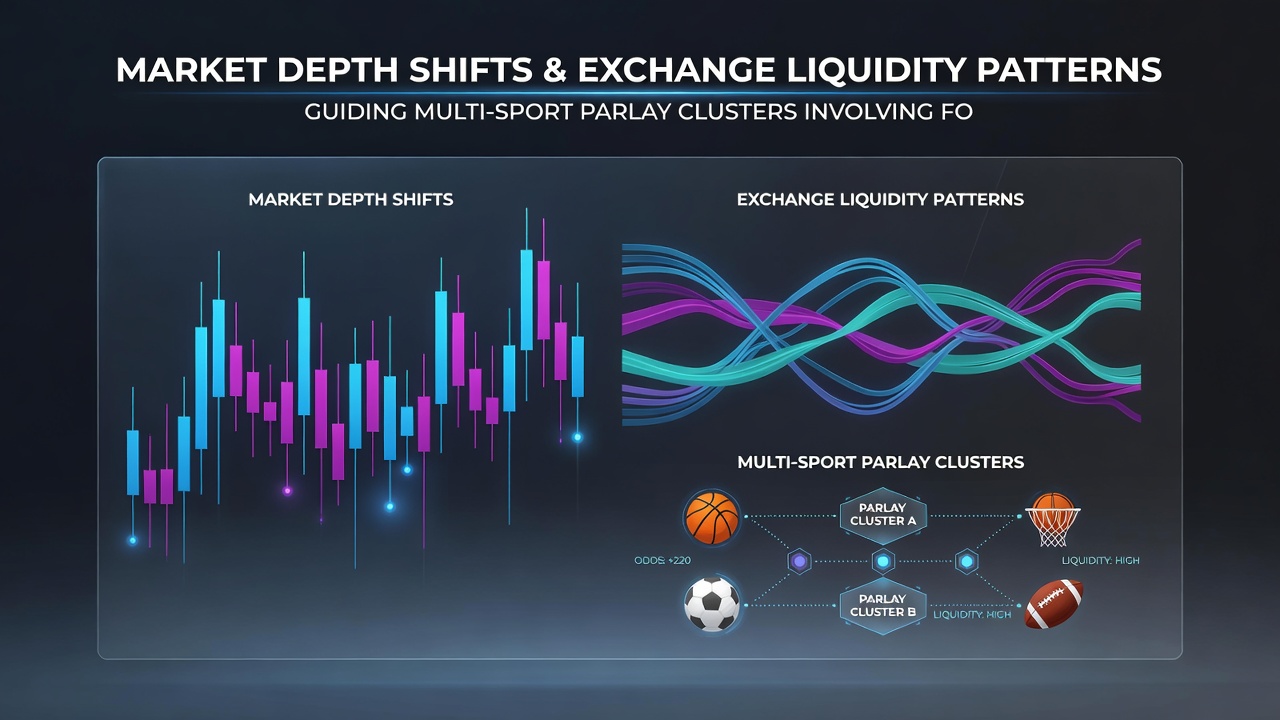
Market depth on betting exchanges reflects the volume of unmatched bets available at different odds levels, and observers note how shifts in these layers often coincide with clustered parlay activity across football, tennis, basketball, and equine events. Data from major platforms reveal that liquidity pools tighten during high-volume periods, such as evening European football fixtures overlapping with North American basketball games in November 2026, prompting bettors to adjust stake distributions across correlated outcomes.
Core Mechanics of Exchange Liquidity
Exchange operators maintain order books where back and lay positions create visible depth, and researchers tracking these books find that sudden influxes of liquidity in one sport frequently spill into others when traders seek to balance risk through multi-leg combinations. For instance, heavy lay activity on tennis match winners can signal broader caution that extends to football goal totals and basketball point spreads within the same parlay structures. Those monitoring order flow report that equine events often serve as liquidity anchors during daytime hours because their shorter market durations allow quicker position closures compared with multi-set tennis matches.
Cross-Sport Clustering Patterns
Patterns emerge when liquidity thins in football markets during midweek European competitions, and participants respond by redirecting capital toward tennis and basketball lines that offer deeper books at similar times. Studies of exchange data indicate that parlay clusters involving horse racing accumulate more volume when football markets show wide spreads between best back and lay prices, because bettors use equine form to offset perceived volatility elsewhere. In November 2026, overlapping schedules of ATP Finals tennis sessions and major basketball conferences created documented spikes in combined football-equine accumulators as traders exploited temporary depth advantages in one discipline to support wagers in another.
Market makers on exchanges adjust their own exposure by widening or narrowing depth in response to incoming parlay traffic, and this adjustment loop influences the viability of clusters that link basketball rebound statistics with equine speed ratings. Evidence from platform analytics shows that when tennis break-point liquidity contracts ahead of key service games, activity migrates toward football clean-sheet markets and basketball over-under totals that retain thicker order books. Observers tracking these migrations note consistent timing alignments rather than random drift.
Regional Regulatory Context and Data Sources
Regulatory bodies in different jurisdictions publish aggregate trading statistics that illuminate these cross-market movements. Figures released by the Alcohol and Gaming Commission of Ontario document how liquidity concentration in North American basketball exchanges correlates with increased equine parlay volume during overlapping international schedules. Separate reporting from the Nevada Gaming Control Board highlights similar patterns when football markets experience depth reductions ahead of major tournaments, prompting measurable shifts into tennis and horse racing legs within the same accumulator structures.
Timing and Schedule Overlaps
Schedule overlaps in late 2026 create predictable windows where liquidity patterns guide cluster construction. When European football evening fixtures coincide with Australian equine meetings, exchange records show rapid depth expansion in basketball halftime markets that traders then use to anchor multi-sport parlays. Researchers analyzing tick-level data observe that tennis markets often absorb residual liquidity after equine races conclude, enabling bettors to layer additional legs without widening spreads excessively. These sequential movements appear consistently across multiple platforms rather than isolated anomalies.
Depth contraction in one sport rarely remains isolated because automated trading systems scan correlated instruments across disciplines, and this scanning produces measurable flow into basketball and football markets when tennis liquidity thins. Data sets covering several seasons indicate that equine events function as early-session liquidity providers that later support evening basketball and football clusters once initial volumes establish price stability. Those examining order book snapshots confirm the directional nature of these transfers rather than bidirectional randomness.
Conclusion
Exchange liquidity patterns continue to shape how participants assemble multi-sport parlay clusters involving football, tennis, basketball, and equine events. Documented shifts in market depth provide observable signals that align with schedule overlaps and regional regulatory disclosures, allowing systematic tracking of volume migrations across these disciplines without reliance on isolated single-sport analysis.