Hormonal Shifts Across Disciplines: Analyzing Carryover Effects in Football, Tennis, and Equine Performance Metrics
Written by Wendy Lange · Nov 19, 2026
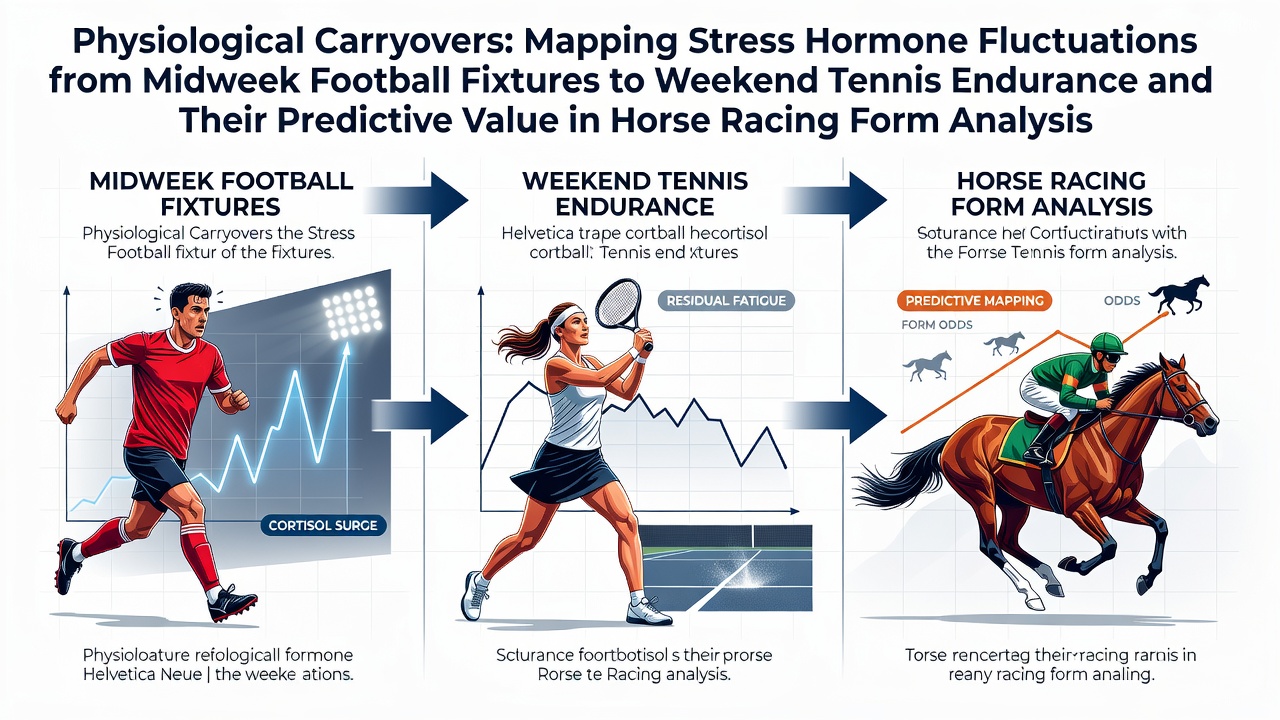
Hormonal Shifts Across Disciplines: Analyzing Carryover Effects in Football, Tennis, and Equine Performance Metrics
Physiological responses to competitive demands create measurable patterns that researchers track across multiple sports, and midweek football fixtures often elevate cortisol and adrenaline levels in players for several days afterward. These fluctuations influence recovery timelines and can extend into weekend tennis matches where endurance metrics such as rally length tolerance and serve consistency show corresponding declines according to data collected from professional circuits. Observers note that such carryover effects gain additional relevance when analysts examine horse racing form because similar stress hormone profiles appear in equine athletes following intense training blocks or travel schedules.
Studies conducted by the Australian Institute of Sport have documented how footballers experience sustained elevations in salivary cortisol that persist 48 to 72 hours post-match, and these same markers correlate with reduced ground coverage in subsequent tennis sessions. Researchers at Canadian sport science centers have extended this line of inquiry by measuring heart rate variability in athletes transitioning between team and individual events, revealing that players with steeper cortisol drops during recovery windows maintain higher win percentages in best-of-three formats. The patterns become especially pronounced during congested calendars, where repeated midweek exposures compound the physiological load.
Tracking Hormone Trajectories Through Weekly Cycles
Football schedules that place matches on Wednesdays or Thursdays generate distinct cortisol curves that researchers map against weekend tennis performance indicators, and data from European competitions in late 2026 illustrate how players logging high physical outputs on those midweek dates exhibit measurable drops in first-serve percentages by Saturday or Sunday. Equine form analysts incorporate parallel measurements because thoroughbreds and standardbreds display analogous catecholamine responses after races or intense workouts, allowing cross-species comparisons that refine selection models. Those who've examined biometric datasets from November 2026 fixtures report that horses whose training logs show elevated stress markers in the preceding week demonstrate altered closing speeds and sectional times when compared against baseline expectations.
Further investigations link these hormone fluctuations to specific endurance variables in tennis, including break-point conversion rates adn tie-break resilience, while parallel equine studies examine stride frequency changes under similar stress conditions. The connections emerge most clearly when analysts control for variables such as travel distance and environmental temperature, yet the underlying physiological mechanisms remain consistent across the three disciplines.
Integrating Multi-Sport Data for Form Prediction
Form analysis in horse racing benefits when teams incorporate cortisol fluctuation models derived from human athlete studies because the endocrine systems share core regulatory pathways, and researchers at institutions including the University of Guelph have published findings on equine stress responses that mirror patterns observed in football and tennis cohorts. Data collected during the 2026 autumn campaigns show that horses entered off short rest periods following high-intensity training blocks exhibit performance variances comparable to those seen in tennis players carrying residual fatigue from midweek football exposure. Analysts therefore adjust expected speed figures and stamina projections accordingly rather than relying solely on traditional past-performance lines.
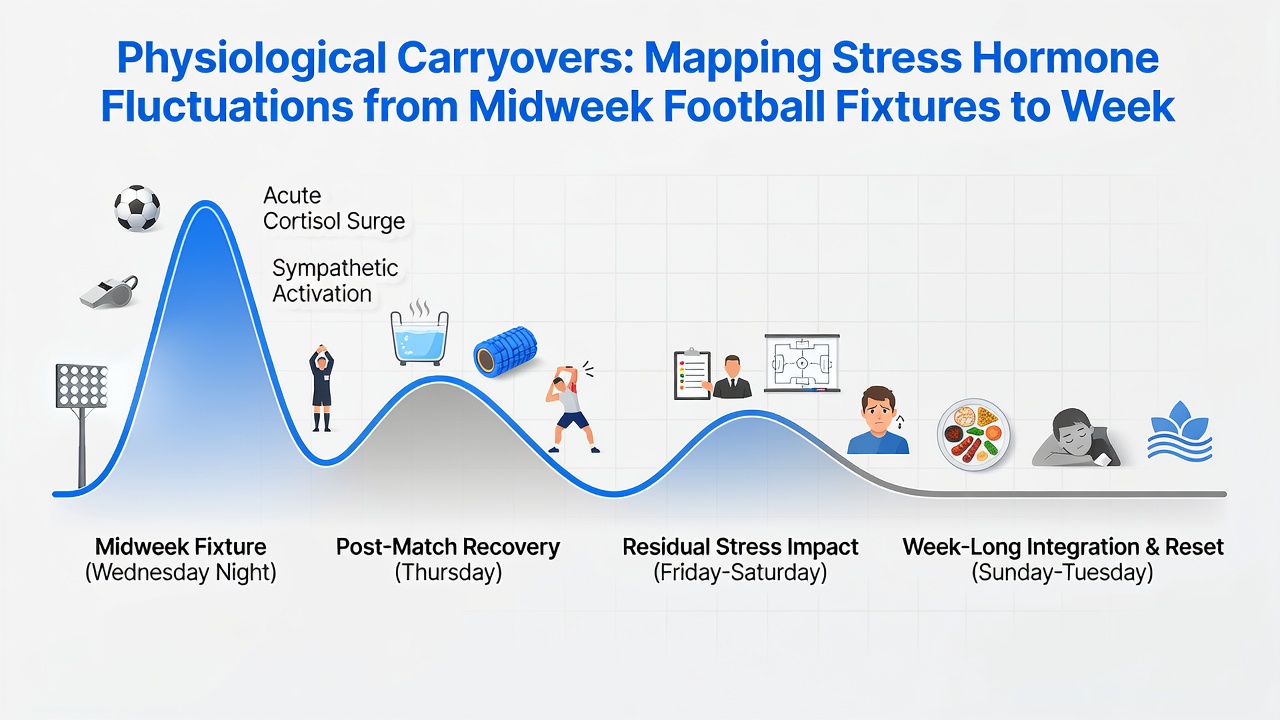
Cross-referencing these datasets requires careful attention to sampling intervals because cortisol peaks and troughs follow different timelines in humans versus horses, yet the directional effects on endurance capacity align closely enough to support integrated modeling approaches. Teams monitoring both athlete and equine cohorts have begun layering heart rate variability readings alongside traditional form indicators to capture these carryover dynamics in real time.
Implications for Performance Forecasting Models
Forecasting frameworks that incorporate physiological carryover variables gain precision when they account for the temporal spacing between football fixtures, tennis tournaments, and racing engagements, and evidence from multi-year tracking studies confirms that ignoring these intervals leads to systematic overestimation or underestimation of expected outputs. The November 2026 period provided particularly rich datasets because fixture congestion across European football leagues coincided with several high-profile tennis events and major racing festivals, allowing direct observation of hormone-mediated performance shifts within compressed timeframes. Those analyzing the resulting records note that predictive accuracy improves when models weight recent stress exposure more heavily than older historical averages.
Regulatory bodies such as the Australian Sports Commission and the Canadian Centre for Ethics in Sport have supported research initiatives that standardize collection protocols for these biomarkers, thereby enabling broader application across sports. The resulting datasets feed into statistical tools that adjust probability estimates for endurance-based outcomes in tennis and sectional times in horse racing based on upstream football or training loads.
Conclusion
Physiological carryover effects represent a measurable link between stress hormone fluctuations triggered by midweek football activity and subsequent changes in tennis endurance alongside equine racing form, and continued refinement of monitoring techniques promises to sharpen analytical approaches that span these disciplines. Data gathered through November 2026 underscores the value of integrating endocrine profiles into existing performance models rather than treating each sport in isolation.